
Your Best Engineer Just Resigned. Three Projects Are on Hold.
This method is part of the BYG Leadership Toolkit: 28 validated instruments for automotive executives navigating the DE-SK-IN matrix.
The knowledge he built over six years, the process expertise, the customer contacts, the technical shortcuts that appear in no document, left with him. His replacement needs twelve months to come anywhere close to that level. During those twelve months, you are carrying the SOP risk.
Stop Storing Knowledge in People Instead of Systems
This is not a random event: it is the result of an organization that stores knowledge in people instead of in systems, and it is structurally changeable. This page is for R&D leaders, HR directors, plant managers, expats of global teams, and anyone building a site from greenfield.

The Situation: The Knowledge Silo and Its Price
In most automotive organizations, knowledge is asymmetrically distributed. A few senior experts carry the critical operational know-how, the informal processes, the customer contacts, and the shortcuts that were never documented. The rest of the team executes without understanding why. Every leader who maintains this system is themselves the biggest bottleneck in their organization.
This does not happen from bad intent, but because no one has defined knowledge transfer as a structural leadership responsibility. Senior experts are not promoted because they mentor well: they are promoted because they are technically excellent. And technical excellence is often the opposite of knowledge transfer: it retains what makes it strong.

Prievidza, 2019: A New Team, an Old Fear
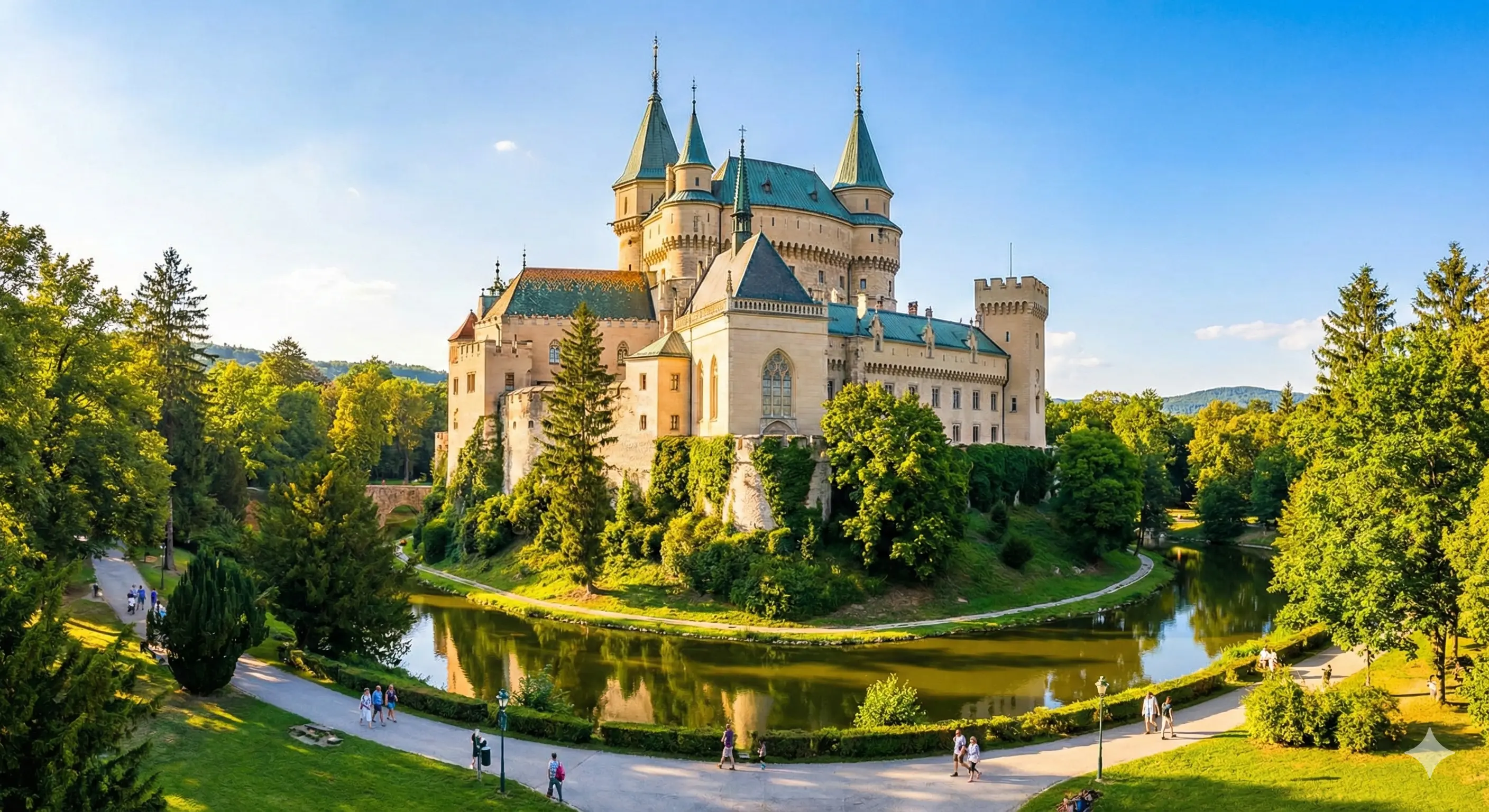
When we built the Electronics R&D department in Prievidza, from zero, on a greenfield, with no process, no tools, and no network, we met a resistance I had not anticipated. Not from Slovakia. From Germany.
Colleagues at headquarters viewed the growing Slovak team with rising skepticism. Behind the polite service meetings stood one sentence: “They are taking our work away.” Senior engineers who had built knowledge over years were now asked to pass it to a new, unknown team. For many, this felt like self-elimination.
Reframing Offshoring: From Job Loss Anxiety to Strategic Capacity Gain
That was humanly understandable and structurally mis-framed. The question was not who takes over the work: the question was what becomes possible when the Slovak team takes it over. Every task the Slovak team absorbed opened space at headquarters for new technologies and strategic next-generation topics.
We transferred full product responsibility to the Slovak team for two strategic lines: IFE (window regulator electronics) and POT (Power Operated Tailgate). Headquarters gained capacity for the next technology generation. Both sides grew.
Three Signals That Knowledge Transfer Is Structurally Failing
The BYG Framework: Industrial DNA Transfer in Four Steps
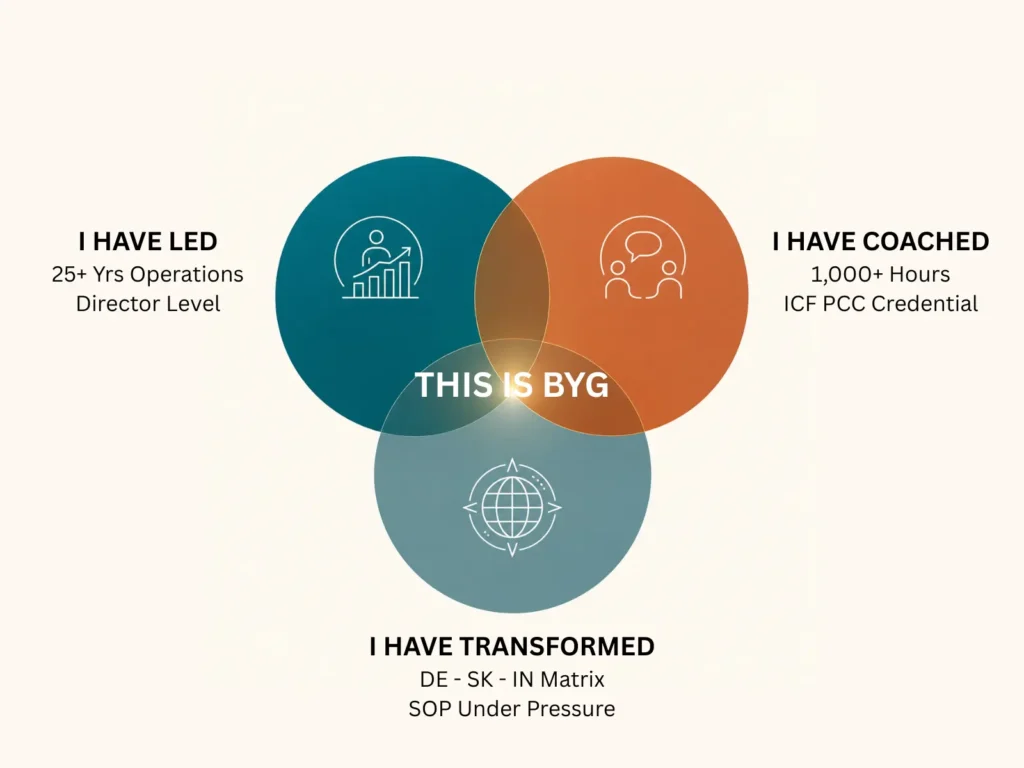
This framework does not come from a textbook. It is the operating system that proved itself building 40+ engineers in the DE-SK-IN matrix, under real SOP pressure, in hierarchical cultures, with a team that started with no global network.
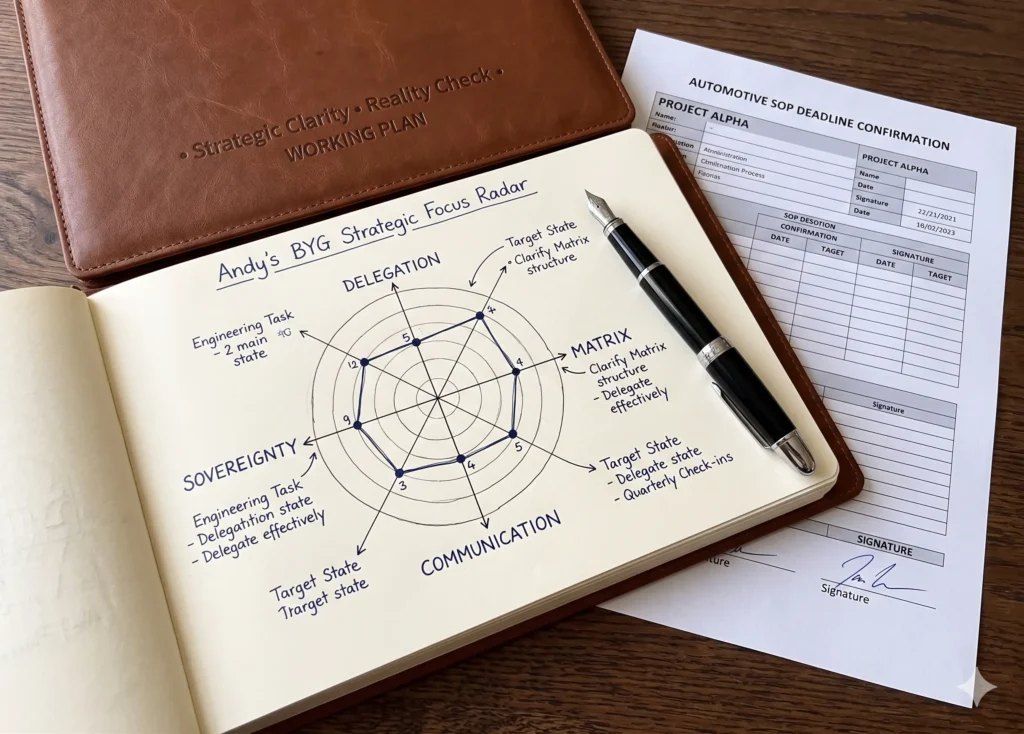
Are you still operating as an expert or already as a system architect?
Five targeted questions, ninety seconds of reflection, absolute honesty.
1 of 5: When a junior developer approaches you with a critical problem, what does the typical process look like?
2 of 5: Currently, you lead a team of six, but you are aiming for a size of fifty employees. Which learning area requires your greatest attention?
3 of 5: How reliable are the commitments made by project members in your meetings?
4 of 5: During a real crisis, such as an SOP risk or an OEM escalation, is there still room left for you to make strategic decisions?
5 of 5: Suppose you were absolutely unreachable for two weeks. What would happen in your department?
The Result: Knowledge in the System, Not in One Person
After four years, 40+ engineers stood in a department I had built from zero. Annual revenue of 150 million euros was steered directly from Prievidza. When the department was restructured as part of an HQ-directed consolidation in 2023, the transition held seamlessly: because the knowledge sat in the system, not only in me.
Anchoring Expertise in Systems, Not Headcount
Industrial DNA Transfer describes the structured transition of operational experience knowledge: process expertise, customer contacts, informal shortcuts, and cultural navigation, from experienced leaders to the next generation. Not through handbooks, but through framed 1:1 conversations, SMART goals with an embedded mentoring component, and active network brokering. The aim: anchor knowledge in the system, not in people.

The Measurable ROI: What Industrial DNA Transfer Delivers
These results are not theoretical. They come from research, industry benchmarks, and direct experience from the build in Slovakia. See here the Effects and Evidences:
From the build in Slovakia, one experience-based pattern also holds: networked teams solve a large share of problems locally, escalate risks noticeably earlier, and reduce the coordination load between sites. These are results from four years of practice, not laboratory figures.

Industrial Mentoring in the DE-SK-IN Matrix: What Standard Approaches Miss
Standard mentoring models were built for homogeneous teams in one location. In the DE-SK-IN matrix, they fail against three cultural operating systems. Whoever does not know these differences mentors past the team.
Executive FAQ: Industrial DNA Transfer & Knowledge Mentoring
Q1: What is the difference between industrial mentoring and executive coaching?
Coaching follows your problem exclusively through questions, no advice, no directives. That is the ICF-PCC standard I hold without exception. Mentoring is structurally different: I use my full 25-year automotive experience actively, give direct orientation, share what worked and what failed, and broker concrete network contacts to people who have already solved your problem. If you need clarity about your own situation, coaching is right. If you need a shortcut through experience, it is mentoring.
Q2: How does this method overcome the Indian Yes in our Pune offshore hub?
By not asking whether something was understood, but how the learning would be applied. "Explain to me how you would approach this problem" delivers more than any "did you understand that?". I led on the ground in Pune for two years and teach your expats and local managers how to ask culturally nuanced, open questions that break hierarchical silence and secure genuine commitment, without endangering face.
Q3: My R&D leaders have no disciplinary authority over their global counterparts. Does mentoring still work?
Yes, and this is exactly where lateral leadership shows its strongest effect. In the DE-SK-IN matrix, real authority rarely comes from the org chart, it comes from expertise and trust. If you cannot fire anyone or dictate a bonus, you must generate genuine ownership through mentoring and coaching. The network you pass on to your team is your leadership currency.
Q4: Our best technical expert refuses to mentor juniors. Can you solve this?
Yes. This is the classic Expert Paradox. Brilliant engineers hoard knowledge because their identity is tied to exclusive knowledge. In the sparring work we change the mental model concretely: away from "how much did I produce myself today?" toward "how capable is the system I built?" This shift needs individual goal reframing, knowledge transfer as career leverage rather than obligation.
Q5: What is the difference between Industrial DNA Transfer and an internal senior colleague as mentor?
Internal mentors are valuable, but carry three structural limitations. First, they have an interest in your career decisions, their advice always reflects their own position. Second, confidentiality is only partial. Third, they have not made your specific greenfield transition in your cultural context themselves. Industrial mentoring at BYG brings DE-SK-IN experience first-hand, structural confidentiality, and no organizational interest in your outcome.
Q6: How do I measure whether mentoring has worked?
Before the engagement we define concrete behavioral indicators: frequency of escalations, turnover rate, quality of milestone commitments, number of problems resolved independently without escalation. We set a baseline, define a target, and review at fixed points. Industrial mentoring is not a soft development measure, but an operational investment, and it is measured that way.
Q7: We are under massive SOP pressure. Who has time for mentoring right now?
If you are permanently firefighting, you are already paying the price for the absence of mentoring. Constant hands-on intervention is a short-term patch with high long-term costs: 150 to 200% of annual salary for every senior expert who resigns for lack of development. By learning to steer deliberately when you put on the Decider, Mentor, and Coach hats, you recover hours per week. SOP pressure is the reason for the investment, not the obstacle to it.
Q8: We have a hiring freeze. How do we justify this investment to the board?
A hiring freeze makes the intervention mandatory. If you cannot buy new talent, you must extract more value from the talent you already have. Mentoring stops the expensive knowledge drain of senior experts and scales the output of your existing team. The evidence is well documented: a median ROI of 7 to 1 on professional coaching (ICF / PwC), and in the Sun Microsystems mentoring study mentees were promoted five times more often and stayed markedly longer, 72% versus 49%. That is a CFO argument, not an HR argument.
Q9: How long does a typical mentoring engagement last?
As a reference point, most engagements run 6 to 12 months. That reflects the biology of behavioral change: understanding a concept takes a week, practicing a new behavior under pressure until it becomes routine three to six months, anchoring that routine so it holds under the next pressure six to twelve months. For project phases such as a greenfield build, shorter and more intensive formats are possible.
Q10: Is Industrial DNA Transfer only for large corporations or also for mid-size suppliers?
Mid-size suppliers are often more severely affected, because knowledge silos at 200 employees cause proportionally more damage than at 20,000. When the chief developer of a mid-size supplier resigns, that is potentially existential, not a personnel issue. Typical profile: 150 to 2,000 employees, automotive supply chain, manufacturing or R&D operations, at least one site outside the home country.
Q11: Who is this method definitively not for?
For leaders looking for a quick motivational upgrade. Industrial mentoring is not an inspiring workshop and not a certificate course. It is intensive, structured work on concrete leadership challenges, with measurable goals, regular 1:1 sessions, and the expectation that something is tried between sessions and honestly evaluated in the next one. Anyone who does not want that is better served elsewhere.
Q12: Why is knowledge transfer career leverage and not self-elimination?
Because the numbers show the opposite. In the Sun Microsystems mentoring study, active mentors were promoted six times more often, mentees five times more often. Whoever passes on knowledge in a structured way does not become replaceable, but visible as someone who develops systems and people. That is exactly the competence that counts at the next leadership level. Industrial mentoring therefore frames knowledge transfer as career leverage, not as an obligation.

The Next Step: A Conversation, Not a Commitment
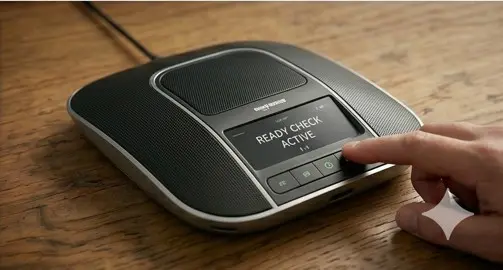
The Reality Check is a 30-minute diagnostic conversation. We identify the specific knowledge-transfer failure mode in your organization and define one structural lever you can implement this week.
No pitch, no program, no commitment. Whether there is a structural fit between what you need and what BYG Consulting does, we will know within 30 minutes.
From my operational base in Germany to your teams in Prievidza, Pune, and globally.
Or Directly: founder_andybalbus@boost-your-growth.com | WhatsApp: +49 151 4495 7099
The Qualification: Why Industrial DNA Transfer at BYG Is Different
- Academic Engineering Degree: Diplom-Wirtschaftsingenieur (HFH Hamburg, 20.02.2013).
- Certified Executive Coaching Credentials: ICF Professional Certified Coach (PCC) | Coacharya Level 2 (160 hours) and Level 3 on the MCC track.
- Industrial Greenfield R&D Track Record: Built complete electronics R&D at Brose Prievidza from zero to 40+ engineers. Full product responsibility for IFE & POT, €150M annual revenue, €2M lab investment, €2M direct annual budget, and €15M project budget.
- Global Executive Leadership Experience: Senior Manager Electronics at Brose India Pune (March 2023 to February 2025): direct operational leadership and coaching for 12 senior engineering leads.
- Cross-Border Operating Footprint: 6 countries of direct field experience across DE, SK, IN, CN, MX, and UK.
The Next Stage: Mentoring Matched to Your Leadership Reality
Industrial mentoring is the starting point. Which mentoring stage fits next depends on your exact situation: the expert becoming a leader, the expat building the bridge, or the greenfield builder who must not be the bottleneck.
Executive Mentoring Tracks
- Track 1: Expert to Leader: Navigating the identity shift from technical domain expert to strategic people leader.
Explore Track 1: Expert to Leader › - Track 2: Team Lead Scaling: Moving from single-point-of-failure dependencies to strategic operational redundancy.
Explore Track 2: Team Lead Scaling › - Track 3: Director Strategic Influence: Winning budget battles and steering cross-functional alignment across executive boards.
Explore Track 3: Director Strategic Influence › - Track 4: Lead Without Authority (LWA): Building lateral authority, cross-border trust, and RACI accountability without disciplinary levers.
Explore Track 4: Lead Without Authority ›
Industrial Mentoring in the BYG Toolkit
Industrial mentoring does not stand alone. In compound with other methods:
The BYG Programmes That Deploy This Method
Coaching follows the ICF standards exclusively.
Cross-Border & Leadership Mentoring
- Intercultural Mentoring (Service): Structured programme for expats and leaders crossing DE-SK-IN boundaries.
Explore Intercultural Mentoring › - Executive Sparring: Confidential 1:1 sparring for acute SOP crises and high-stakes operational pressure.
Explore Executive Sparring ›
Team Alignment & Operational Scaling
- Team Charter Workshop: Alignment, RACI clarity, and collaboration rules for matrix teams.
Explore Team Charter Workshop › - Accelerate Now: High-velocity onboarding and execution scaling for R&D leadership.
Explore Accelerate Now ›
Succession & Executive Growth
- Succession Architecture: Systematic transfer protocols to secure key engineering roles.
Explore Succession Architecture › - Legacy Programme: Preserving senior operational DNA and implicit knowledge before retirement or transition.
Explore Legacy Programme › - Your Power Within (YPW): Executive resilience, personal sovereignty, and leadership focus under pressure.
Explore Your Power Within (YPW) ›
Explore all 28 methods in the BYG Leadership Toolkit ›
Systemic leadership does not end after one call.
Follow Andy for unvarnished insights from automotive practice:


